Why Sustainable Building Is Becoming the New Standard (and What LEED Means for Your Project)
Why Sustainable Building Is Becoming the New Standard (and What LEED Means for Your Project)
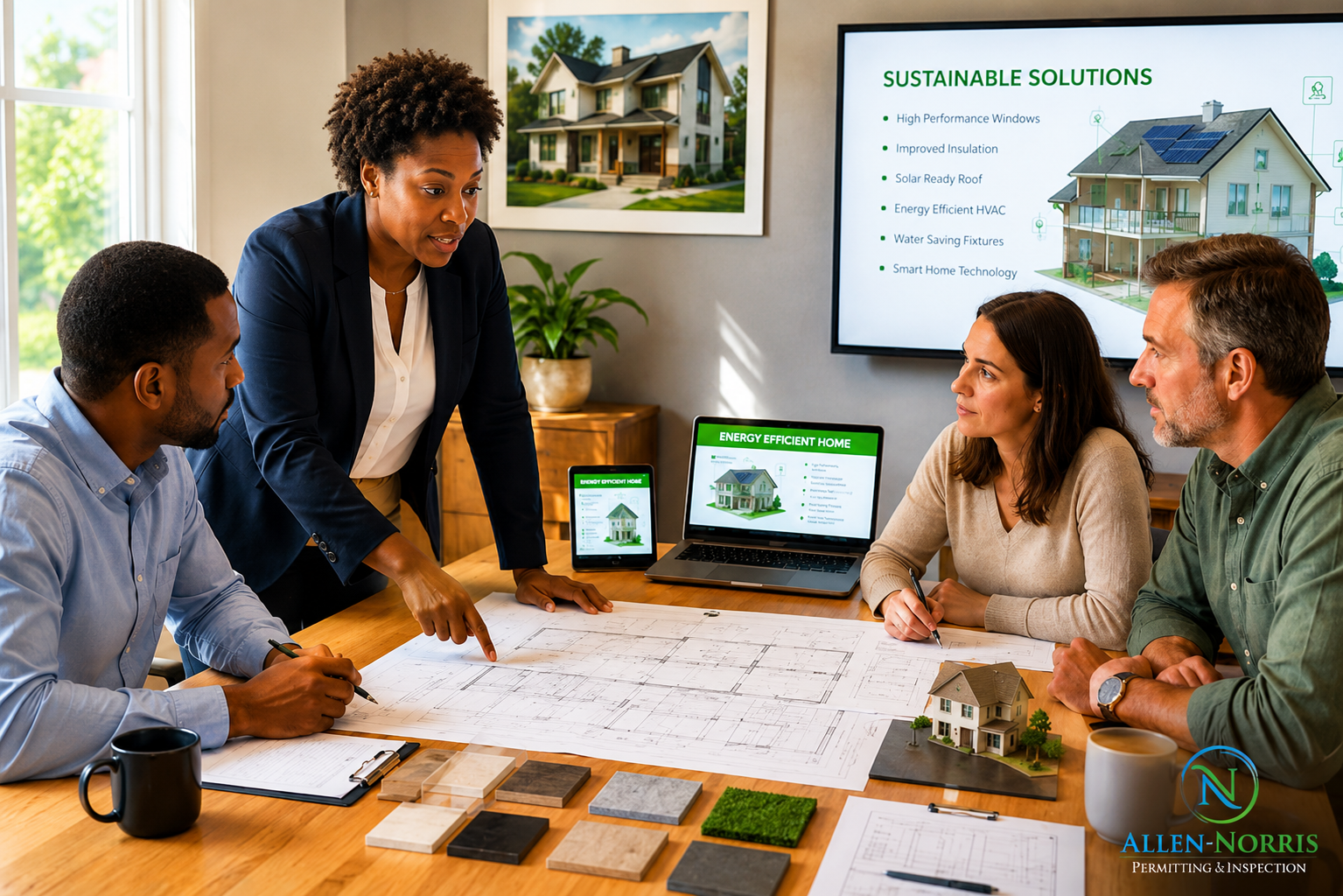
Building Smarter, Healthier, and More Efficient Spaces
If you're planning a major renovation, building a new home, or investing in a commercial property, you've likely noticed that sustainability is becoming an important part of today's construction and development conversations.
For many homeowners, building or renovating is about much more than creating a beautiful space. It's about creating a home that feels comfortable year-round, supports your family's health, operates efficiently, and remains valuable for years to come. As energy costs continue to rise and building standards evolve, sustainable building practices are becoming a smart long-term investment rather than an optional upgrade.
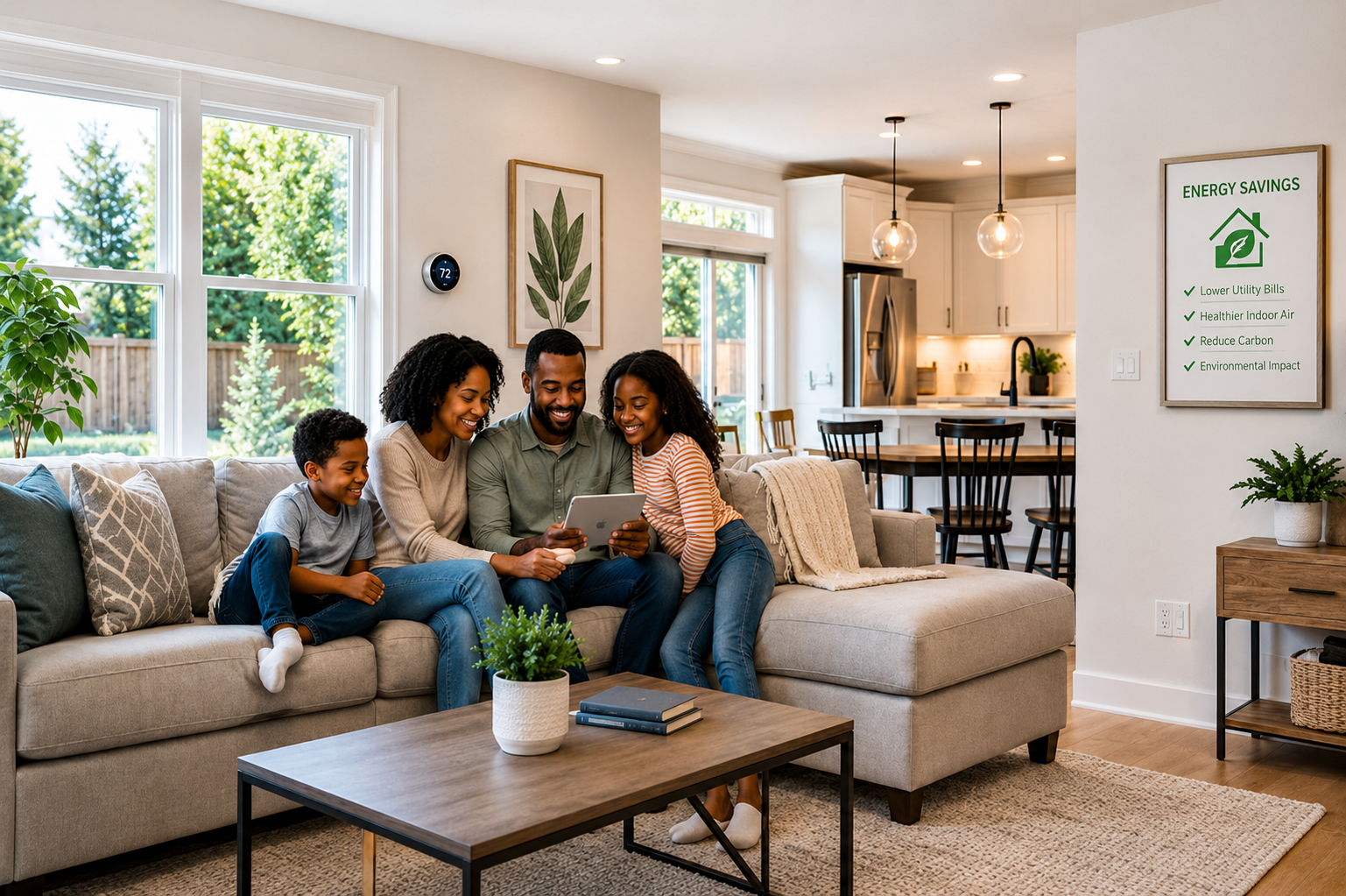
Many property owners begin exploring sustainable building strategies because they want lower utility bills, improved indoor air quality, reduced maintenance costs, and greater confidence that their investment will perform well over time. Others simply want the peace of mind that comes from making environmentally responsible choices without sacrificing comfort, functionality, or design.
At the same time, local building requirements continue to evolve, making sustainability an increasingly important part of the planning, permitting, and construction process.
That's where LEED certification comes in.
Whether you're looking to reduce energy consumption, create healthier indoor spaces, increase long-term property value, or incorporate sustainable design principles into your project, understanding LEED can help you make informed decisions from the very beginning.
For many project owners, however, the process can feel overwhelming. Between permits, inspections, sustainability requirements, project documentation, budgets, and construction timelines, it is not always clear where to start.
At Allen-Norris Permitting & Inspections, we help homeowners, developers, architects, contractors, and project teams simplify the process. Through our Building Code Consulting, Permit Expediting, Third-Party Inspections, LEED Consulting, and Construction Management services, we help clients navigate complex requirements, avoid unnecessary delays, and keep projects moving forward efficiently.
What Is LEED Certification?
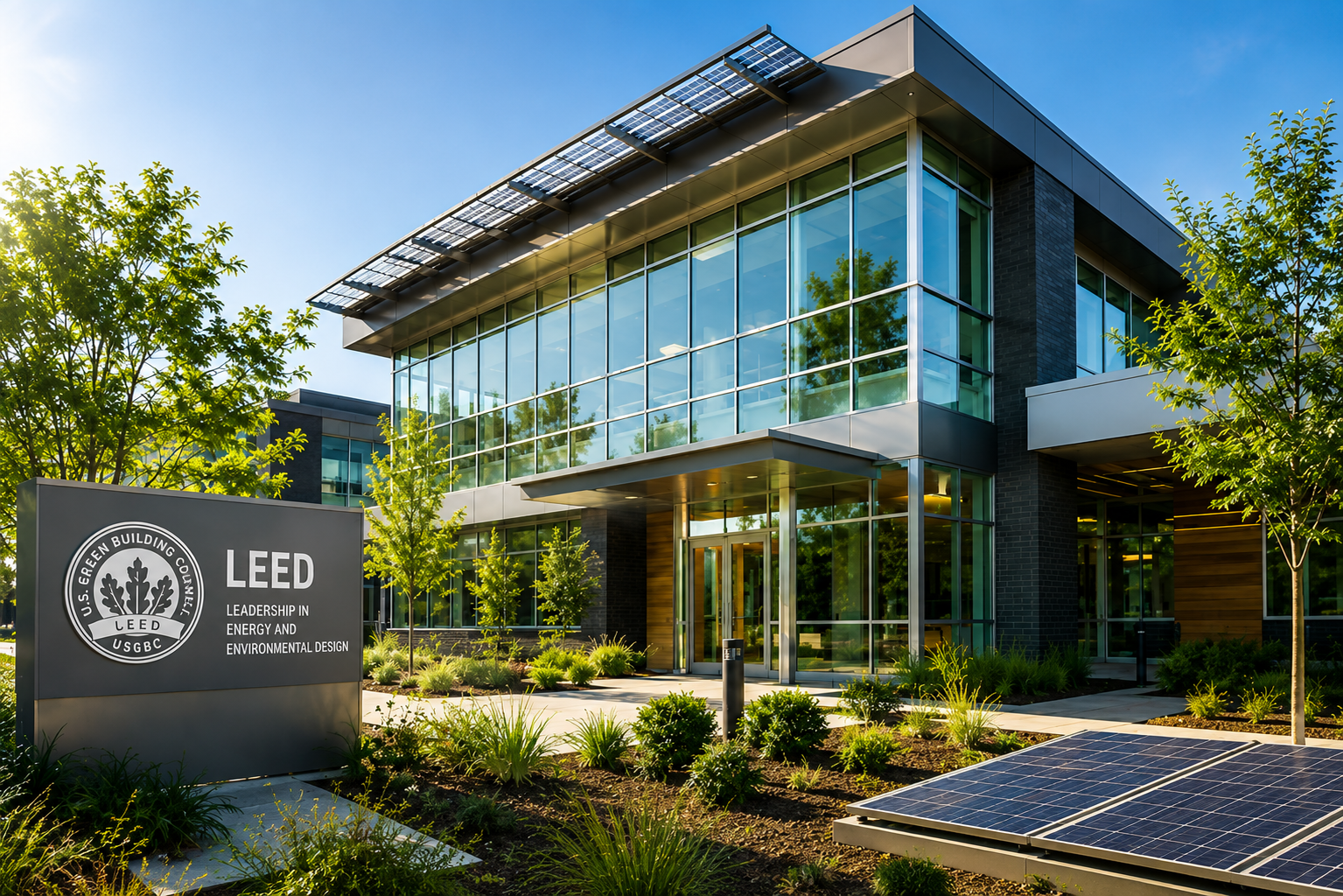
LEED (Leadership in Energy and Environmental Design) is one of the world's most widely recognized green building certification programs. Developed by the U.S. Green Building Council, LEED provides a framework for designing, constructing, and operating buildings that are environmentally responsible, resource-efficient, and healthier for the people who use them every day.
Rather than focusing on a single sustainability feature, LEED evaluates how a building performs across multiple categories that contribute to long-term efficiency and environmental performance.
These include:
- Energy Efficiency
- Water Conservation
- Indoor Air Quality
- Sustainable Building Material
- Site Sustainability
- Carbon Reduction
- Building Resilience
For homeowners and property owners, the benefits extend far beyond environmental responsibility.
A LEED-certified building can help lower monthly energy costs, improve indoor comfort, enhance air quality, reduce environmental impact, and support stronger long-term property value. Many occupants also report more consistent indoor temperatures, improved lighting conditions, and healthier living and working environments.
For commercial properties, LEED certification can contribute to increased tenant satisfaction, reduced operating expenses, and greater marketability.
Simply put, LEED helps create buildings that work better for both people and the environment while supporting long-term performance and cost savings.
For anyone planning a new construction project or significant renovation, understanding LEED early in the process can help you make smarter decisions that benefit your property for years to come.