Navigating the Construction Lifecycle: From Earthmoving to Code Compliance
Navigating the Construction Lifecycle: From Earthmoving to Code Compliance
Building in the modern mid-Atlantic landscape demands more than just heavy machinery and architectural visions. It requires strict adherence to shifting municipal regulations, rigorous code enforcement, and precise structural milestones. Whether managing a sprawling multi-family complex or a modern commercial development, projects succeed or fail based on how well they navigate the complex lifecycle of permitting and code compliance.
At Allen-Norris Permitting and Inspections, we provide a comprehensive approach to building code consulting, permit expediting, and third-party inspections to keep your projects on time, on budget, and fully compliant. Let's look at the three critical phases of the construction lifecycle and how expert regulatory oversight ensures a project's structural and legal integrity.
Phase 1: Heavy Civil Site Preparation and Environmental Clearances
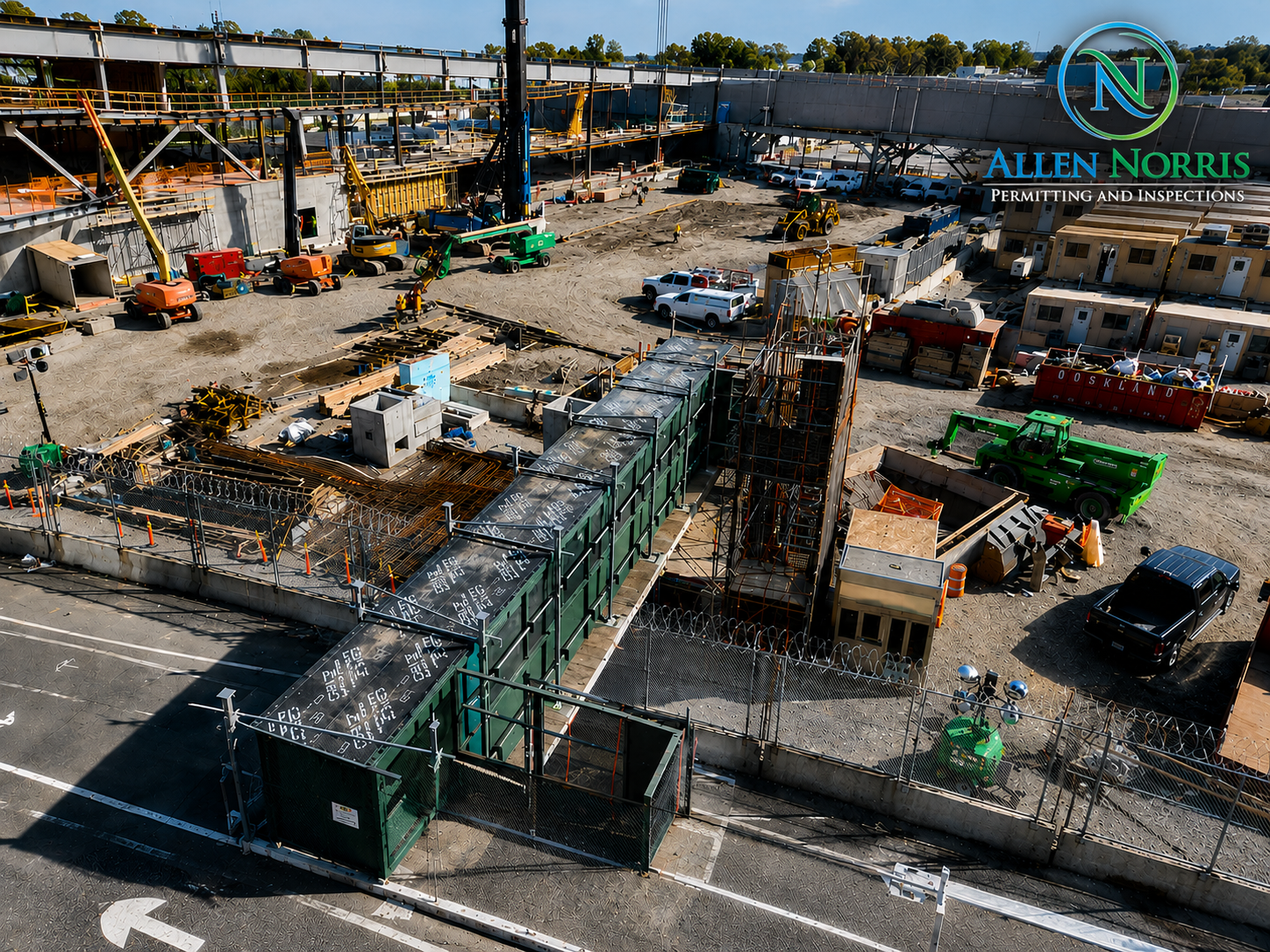
Every successful project begins well beneath the surface. Before a single structural column can rise, the construction site undergoes extensive earthmoving, utility rough-ins, and stabilization.
An aerial view of an active, large-scale construction site demonstrates the massive logistical undertaking required during the initial phases of development.
During this phase, developers face their first major regulatory hurdles:
- Environmental & Grading Permits: Managing stormwater runoff, soil erosion, and site remediation before major foundation work begins.
- Utility Allocations: Ensuring that public utility connections and underground conduits align perfectly with municipal civil engineering standards.
- Site Management Logistics: Coordinating the staging areas for heavy equipment, cranes, and logistics trailers while maintaining strict site safety boundaries.
-
How Allen-Norris Helps: We streamline this foundational phase by securing vital environmental, grading, and specialty infrastructure permits well before your heavy equipment arrives on site, preventing expensive stop-work orders before they can delay your timeline.
Phase 2: Structural Framing, Scaffolding, and Core Infrastructure
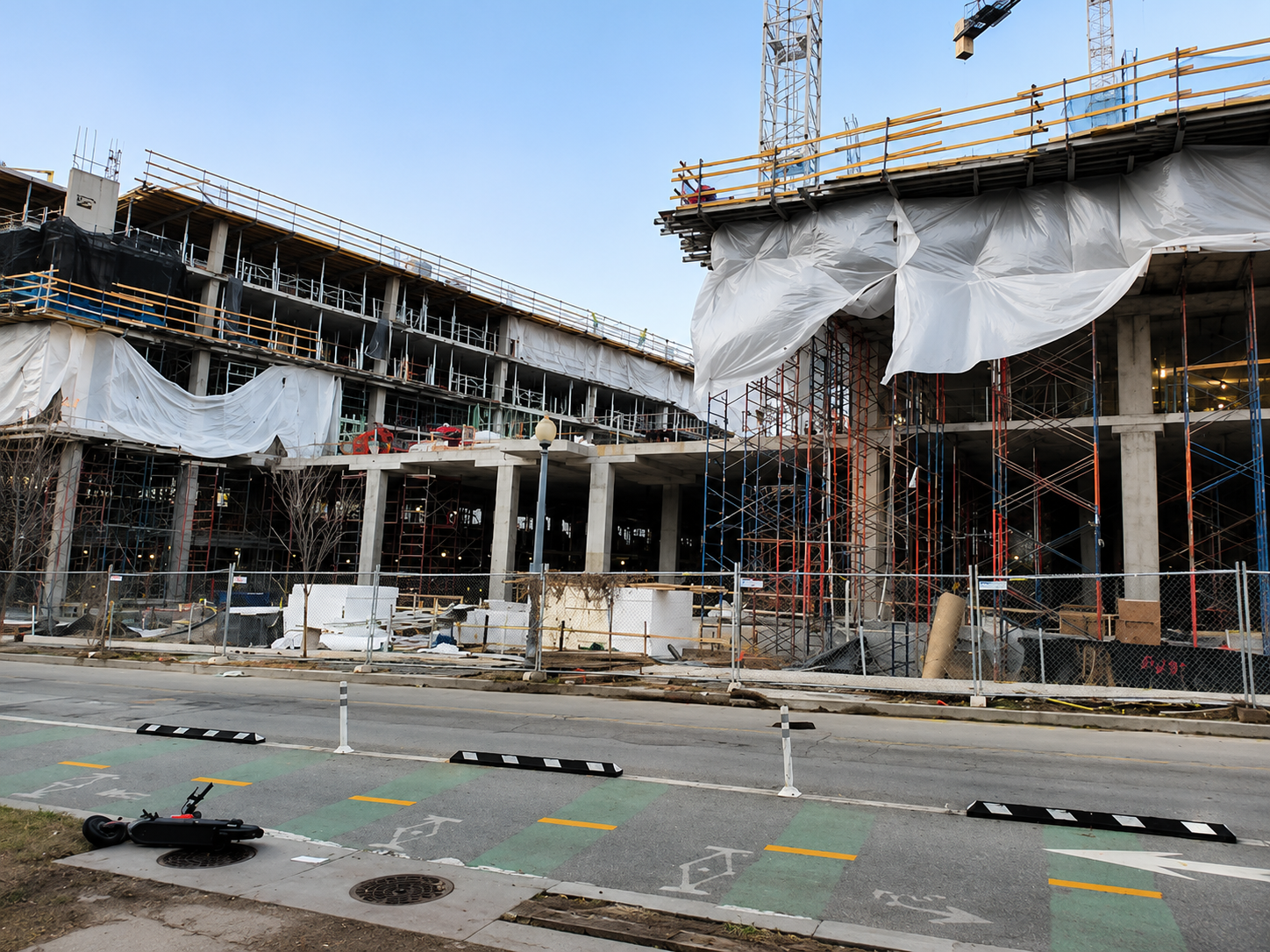
As a project moves from groundwork into vertical expansion, the complexity multiplies. Multi-story concrete and steel skeletons require heavy scaffolding, structural shoring, and protective containment barriers to safeguard workers and the surrounding public infrastructure.
From the street level, a mid-rise project showing structural scaffolding, protective sheeting, and mid-stage concrete column framework represents this phase perfectly.
This structural phase requires a strict sequence of milestone evaluations:
- Rough-In Inspections: Mechanical, electrical, and plumbing (MEP) systems must be evaluated and signed off by certified inspectors while the framing remains exposed.
- Scaffolding and Public Safety Safety Controls: High-density urban projects must maintain clear, protected right-of-ways (like bike lanes and pedestrian sidewalks) utilizing proper barriers and safety netting.
- Structural Sign-offs: Concrete core pours, structural steel connections, and post-tensioning slabs require third-party verification to confirm compliance with national International Building Codes (I-Codes).
How Allen-Norris Helps: Our team of certified building code professionals and licensed engineers conducts independent, third-party inspections of exposed structural framing and MEP systems, ensuring flaws are addressed before the building envelope is sealed.
Phase 3: Building Envelopes, Weather Barriers, and Final Inspections
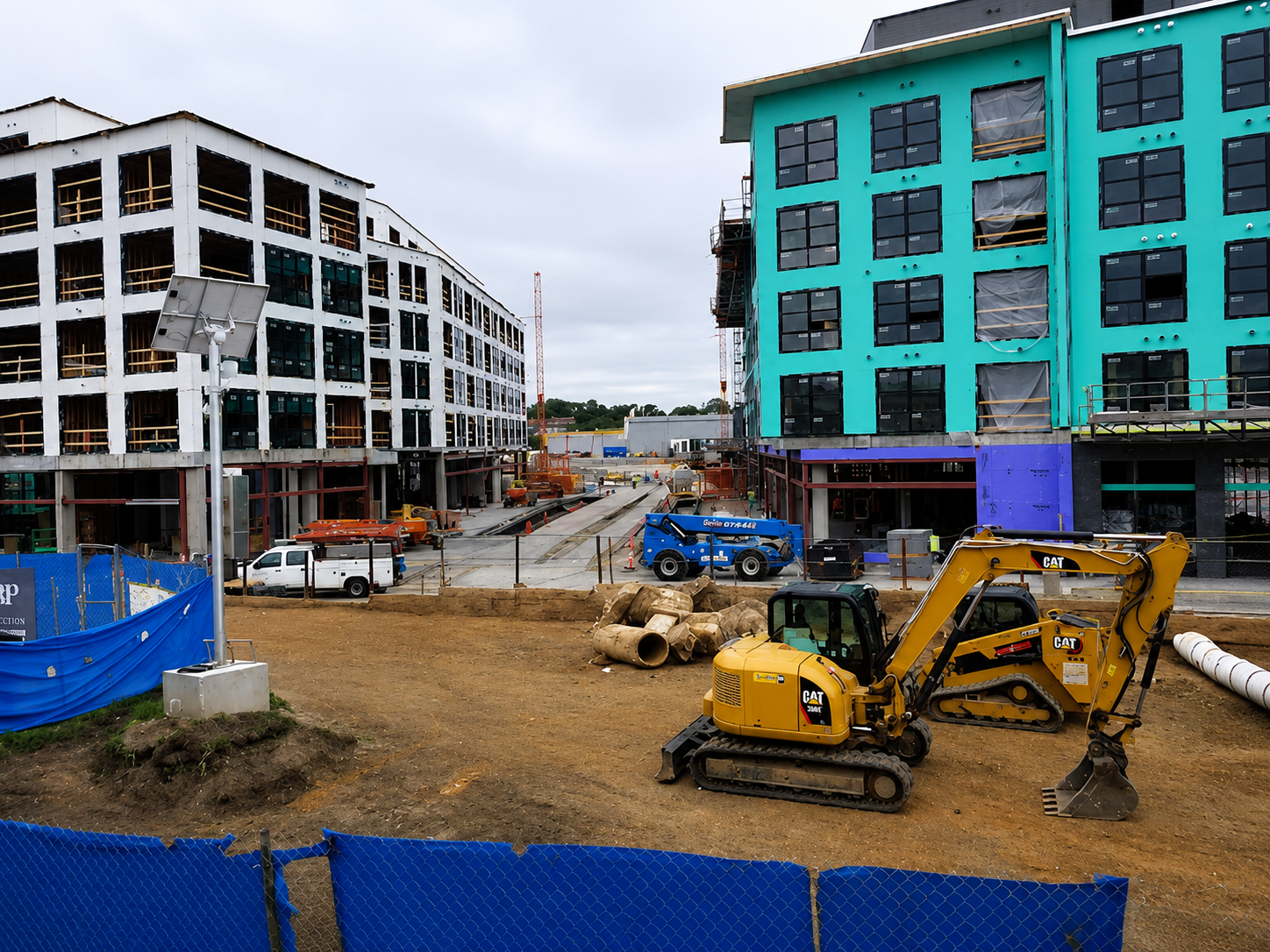
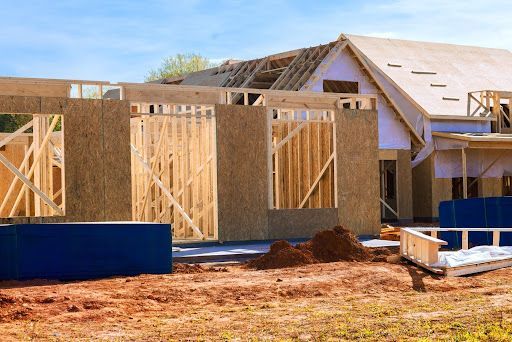
The final major milestone before interior fit-outs can begin is achieving a fully weather-tight structure. The building envelope must be carefully wrapped in high-performance weather barriers to prevent water infiltration and optimize energy efficiency.
A side-by-side view of multi-family buildings highlights this step, with one building showing exposed exterior sheathing and the other treated with a distinctive bright teal weather-barrier system.
Finalizing the building envelope brings new compliance mandates to the forefront:
- Building Envelope Integrity: Inspecting flashings, window openings, and air/vapor barriers to satisfy regional sustainability and energy conservation standards.
- Zoning Compliance & Land Use Review: Verifying that the physical footprint, building height, and exterior setbacks exactly match the initial zoning approvals.
- Path to Occupancy: Transitioning equipment away from earthmoving vehicles and transitioning focus toward final electrical, fire-life safety, and accessibility evaluations.
How Allen-Norris Helps: As a premier woman-owned construction management and consulting firm, Allen-Norris Permitting and Inspections brings over 25 years of local municipal expertise to your project. We assist with LEED and sustainability consulting, verify your exterior building envelope details, and spearhead the final closeout process to secure your final Certificate of Occupancy efficiently.
Build with Confidence
No matter the scale of your development, maintaining a seamless flow between design, construction milestones, and municipal code approvals is essential. Partnering with a dedicated consulting firm keeps your timeline predictable and your assets protected.
Ready to streamline your next project?
Contact Allen-Norris Permitting and Inspections at (762) 985-0821 or email nallen@allen-norris.com to schedule a professional, comprehensive project consultation today. Let our experts handle the codes so you can focus on building the future.