“We Were Already Stuck”: How a DC Restaurant Project Went from Permit Delays to Approval in 27 Days
“We Were Already Stuck”: How a DC Restaurant Project Went from Permit Delays to Approval in 27 Days
Expansion is the ultimate goal for any successful business. For one prominent restaurant group based in Chicago, bringing their celebrated concept to the East Coast was the logical next step. They had the brand, the following, and a prime location secured in the heart of Foggy Bottom, Northwest DC: an area bustling with George Washington University students and young professionals.
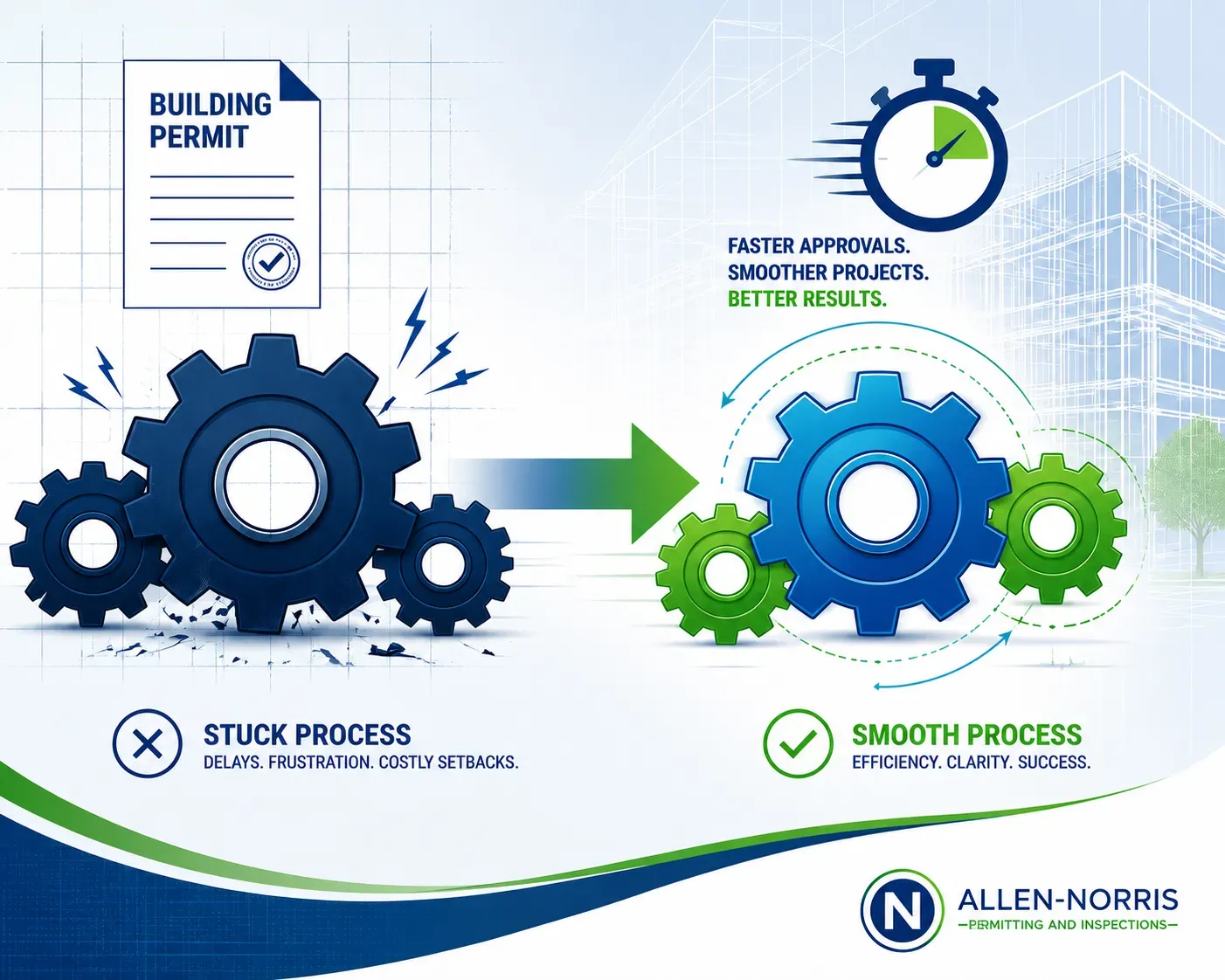
But six months into the process, their dream of a "Grand Opening" had turned into a bureaucratic nightmare. The project wasn't just delayed; it was paralyzed.
This is the story of how a major retail developer went from "stuck" to "scheduled" in just 35 days, and the lessons every property owner should learn about the difference between a permit expediter and a permitting partner.
The $250,000 "Black Hole"
When the client first reached out to Allen-Norris Permitting and Inspections, the tone was one of understandable frustration. They had been working with a standard permit expediter for over half a year. On paper, the process was "moving." In reality, the permit was sitting in the DC Department of Buildings (DOB) system, collecting metaphorical dust.
The client was facing several critical issues:
- Zero Visibility: They didn't have direct access to their own project files in ProjectDox. They were relying entirely on second-hand updates from an expediter who had stopped providing clarity.
- Information Breakdown: Review comments were coming in from the city, but they weren't being translated into actionable steps for the design team.
- Bleeding Capital: For seven months, the client was paying rent on a vacant shell. Between lost revenue estimates and carrying costs, they were down approximately $250,000.
In the world of commercial retail, time isn't just money: it's survival. For a Chicago-based firm entering the competitive DC metropolitan market for the first time, this wasn't just a stall; it was a threat to their brand's reputation.
Identifying the Real Blockers
Many developers assume that "permitting" is just about filing paperwork and waiting. If you wait long enough, the permit will eventually come out the other side, right?
Not always.
When we took over the project, we didn't just look at the status bar. We dug into the technical requirements. We discovered that the project was stuck because of two major technical hurdles that a simple paperwork-pusher couldn't resolve:
- Plan Inconsistencies: The original design team (based in Chicago) had created a beautiful space, but the technical plans didn't fully align with the specific "Scope of Work" required by DC jurisdictions. The corrections needed were more than just cosmetic; they were structural and life-safety related.
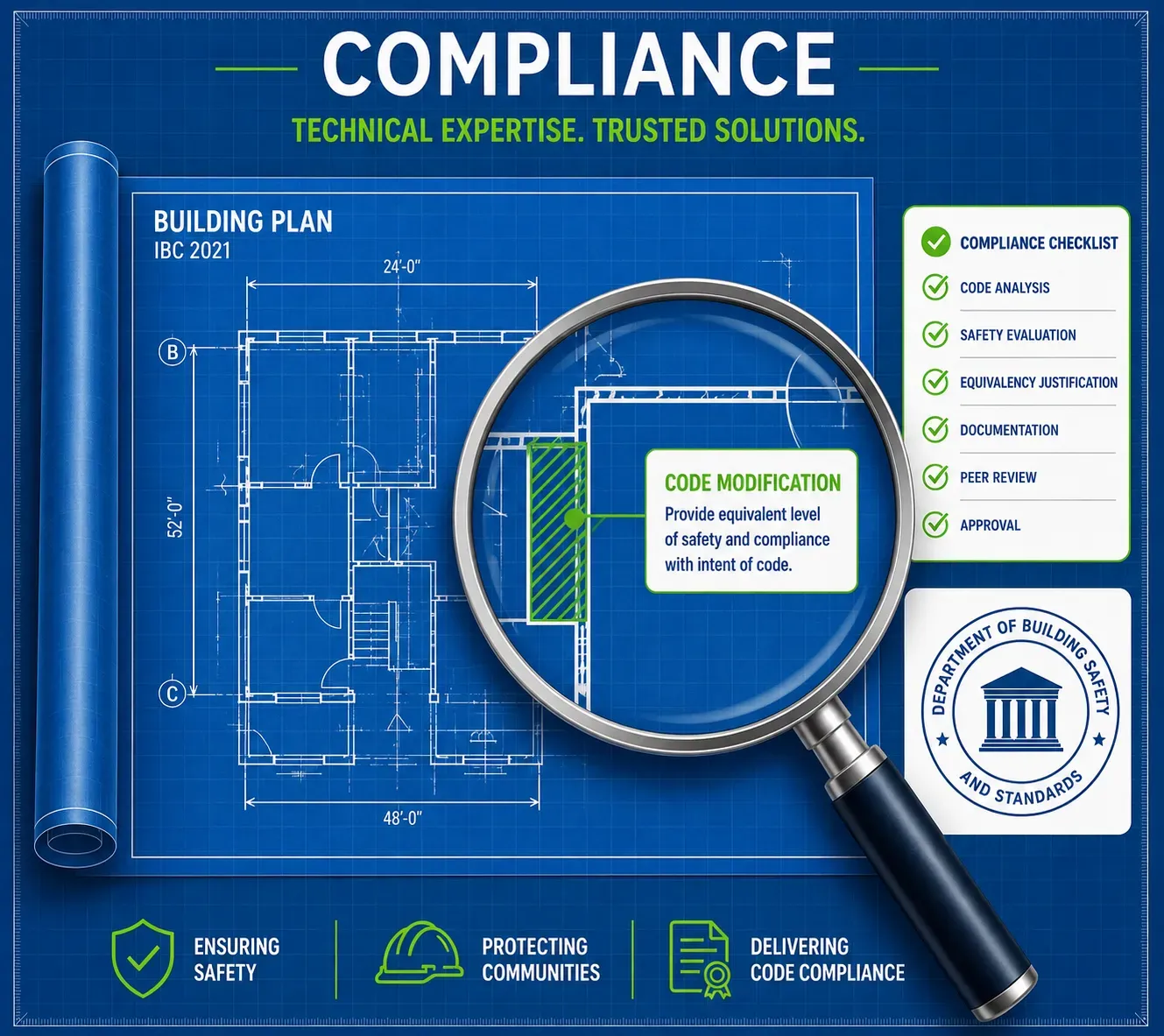
- The Need for a Code Modification: Because of the unique footprint of the Foggy Bottom space, the standard building codes weren't a perfect fit. The project required a formal Code Modification: a technical request to the city to allow an alternative way to meet safety standards.
The previous expediter didn't have the technical background to explain why the city was rejecting the plans, so the architects didn't know how to fix them. It was a cycle of "Submit, Reject, Repeat."
The Allen-Norris Intervention: From Ownership to Outcome
Our first step was to take full ownership. We aren't just "expediters"; we are Design Plan Review and Code Consulting experts.
Here is how we unstuck the project in record time:
1. Regaining Project Awareness
We immediately secured authorization for the client to have full awareness of their project's status. Transparency is a core value at Allen-Norris. If you don't know what's happening with your own permit, you can't make informed business decisions.
2. The Design Meeting
Instead of trading emails back and forth with reviewers for another month, we requested a formal design meeting with the jurisdiction. We sat down with the reviewers to address every single comment in real-time. This allowed us to understand exactly what the city needed to see on the blueprints.
3. Code Consulting Support
We provided direct strategic advisement to the Chicago-based architectural team. By bridging the gap between Chicago design and DC building codes, we helped them finalize the plan corrections and the code modification application in one cohesive push.
The Results: 27 Days to "Yes"
The difference in approach led to a drastic difference in results.
- Permit Issuance: Once Allen-Norris took the lead, the permit that had been stuck for six months was issued in just 27 days.
- Inspection Ready: Within 35 days of our initial engagement, we had guided them through the additional requirements and reached the point of scheduling their building and environmental inspections.
- Financial Recovery: By stopping the "bleeding," we allowed the client to finally begin their build-out and move toward a revenue-generating opening.
The client’s response? They’re already planning their second location in Northern Virginia. This time, they aren’t waiting until they get stuck: they’ve brought us in from day one to handle the Permit Support Services.
Lessons for Retail Developers: Don’t Get Stuck
If you are a property owner or a construction company owner, this story probably sounds familiar. Whether you’re working in DC, Maryland, or Virginia, the permitting process is the "silent killer" of project budgets.
Here are three takeaways to keep your project on track:
1. A Permit Expediter is Not a Consultant
Standard expediters are great for dropping off papers, but they often lack the technical expertise to handle Building and Environmental Inspections or complex code issues. If your project involves a restaurant, a high-performance building, or a change of use, you need someone who understands the engineering behind the permit.
2. Geography Matters
Building codes in Chicago or New York aren't the same as building codes in the DMV area. If your design team is from out of state, they need a local partner who understands the nuances of the DC Department of Buildings or the Virginia Department of Housing and Community Development.
3. Engage Early, Save Often
The $250,000 this client lost could have been avoided by bringing in a Project Management partner during the design phase. A quick Design Plan Review early on identifies "red flag" code issues before they become six-month delays.
Summary: It’s Okay to Get Stuck: It’s Not Okay to Stay Stuck
Getting stuck in a permitting "black hole" happens to the best of us. Whether it's a breakdown in communication with a previous partner or a complex code modification you didn't see coming, the important thing is how you react.
At Allen-Norris Permitting and Inspections, we pride ourselves on being the resource that gets projects back on track. We combine technical expertise in LEED design and sustainability consulting with a deep, practical knowledge of local regulatory requirements.
Are you tired of waiting for your project to move?
Don't let another month of rent go down the drain. Whether you're a senior architect, a construction owner, or a residential property owner, we can help you navigate the complexity of the DMV permitting landscape.
Contact us today for a strategic consultation and let’s get your project unstuck.